‘Slender’ Springtails (Entomobryomorpha)
Probably what you’d consider a ‘typical’ springtail, the order Entomobryomorpha contains some of the most common and widespread species. They are characterised by having elongated bodies, with clear separation between the abdomen and thorax, and are often covered in setae or scales. Many species live above-ground, and have well-developed eyes and attractive patterning; however there also a lot of soil and litter-dwelling species which lack pigmentation and eyes completely. Most species have a well-developed furca and are capable of springing when disturbed, so exercise care and patience if you try to sneak up on them for a closer look!
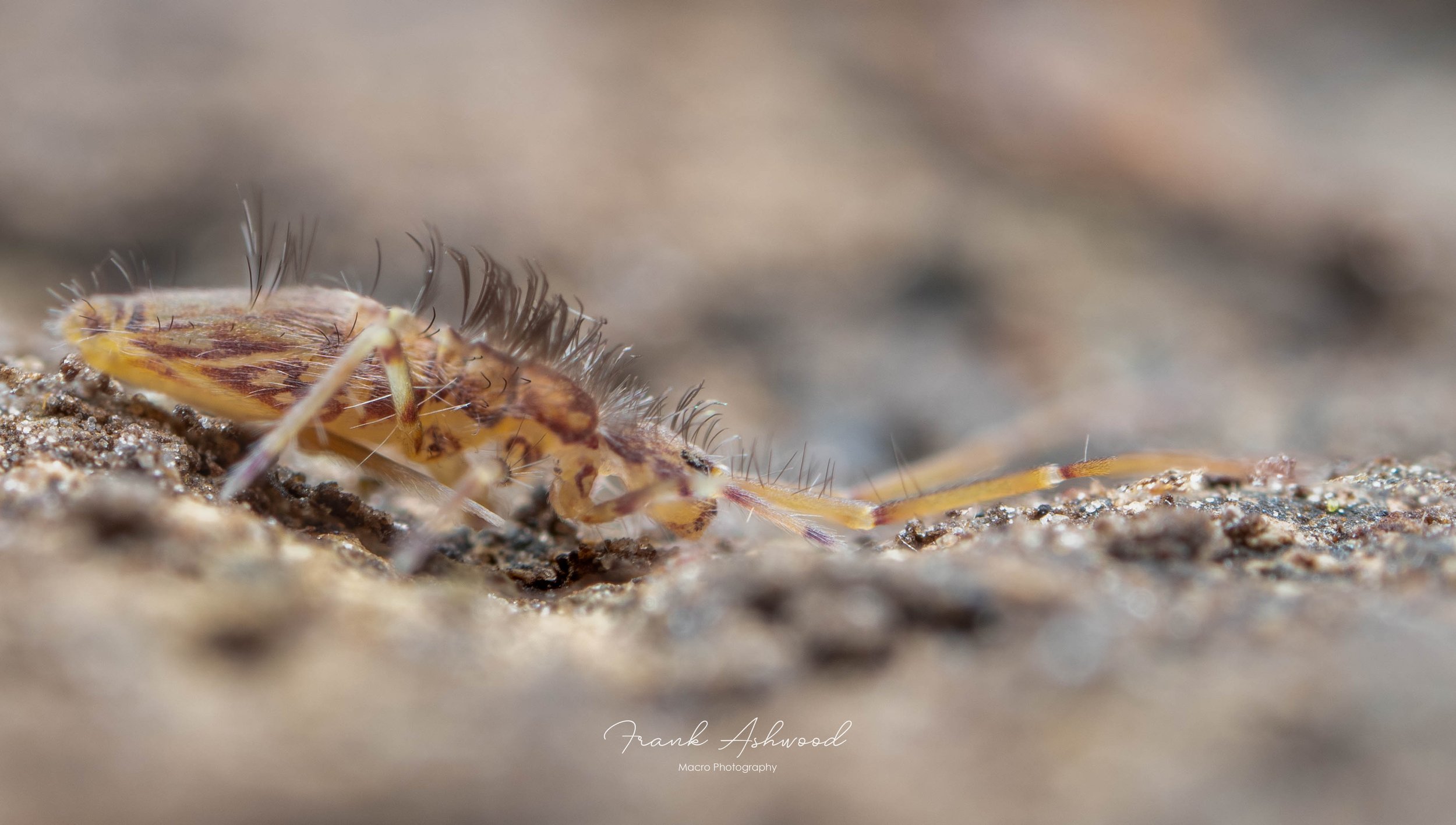
Urewera sp.

Tomocerus sp. preparing to moult (note yellow cuticle with missing scales)


Orchesella cinta on moss stalk (9 image stack)

Tomocerus sp.

Lepidocyrtus sp. on white cup fungi

Lepidocyrtus sp
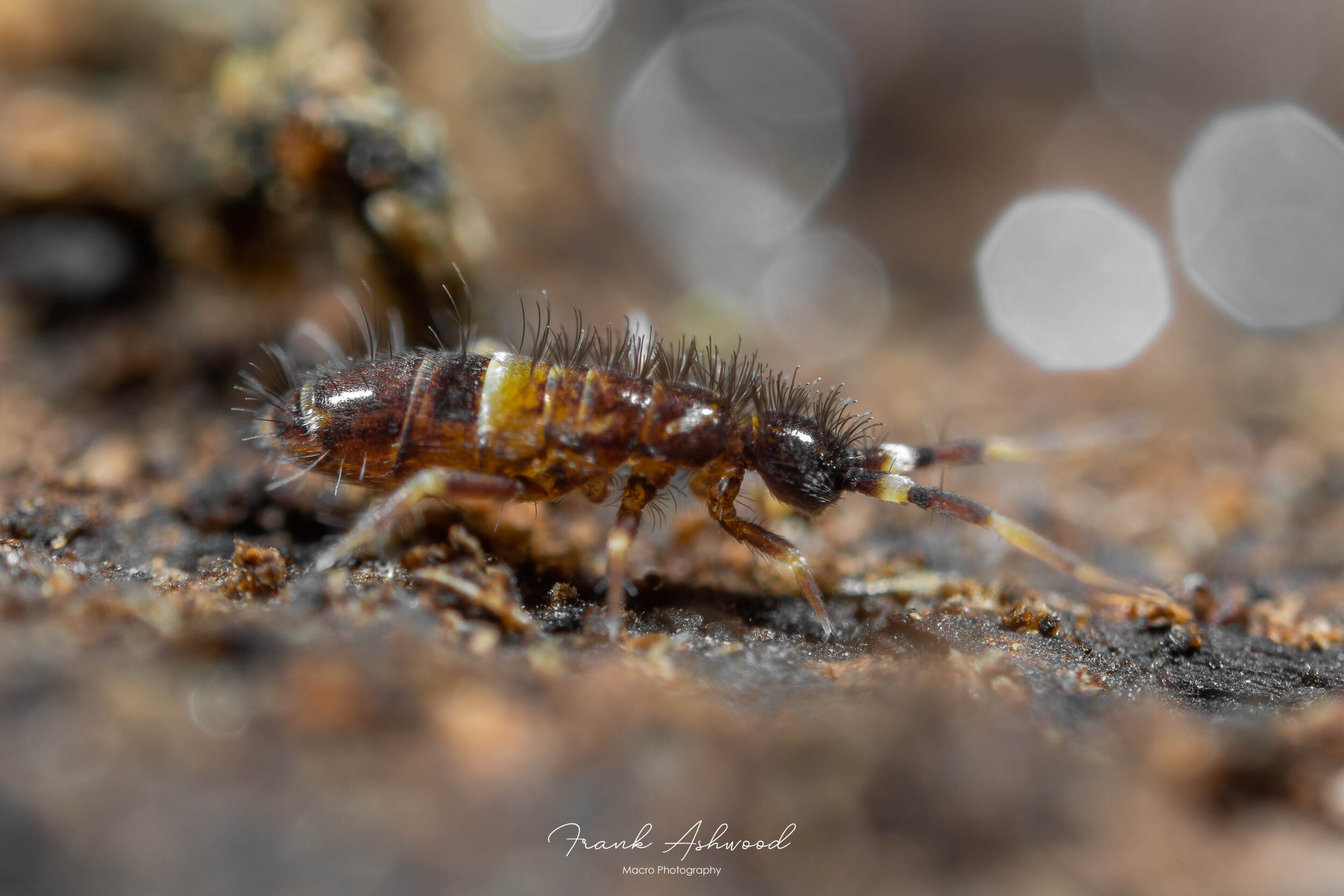
Orchesella cincta
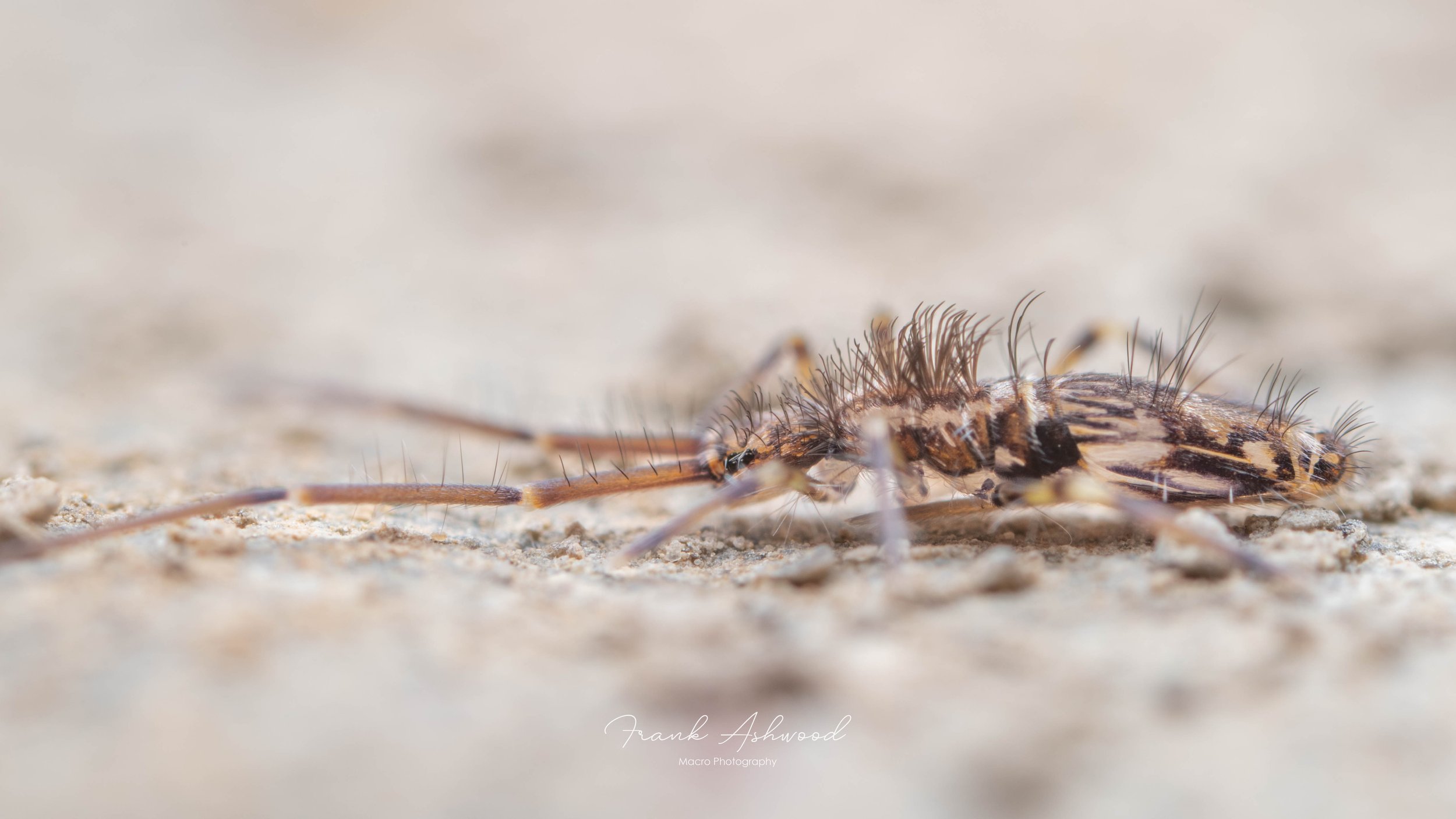
Urewera sp.
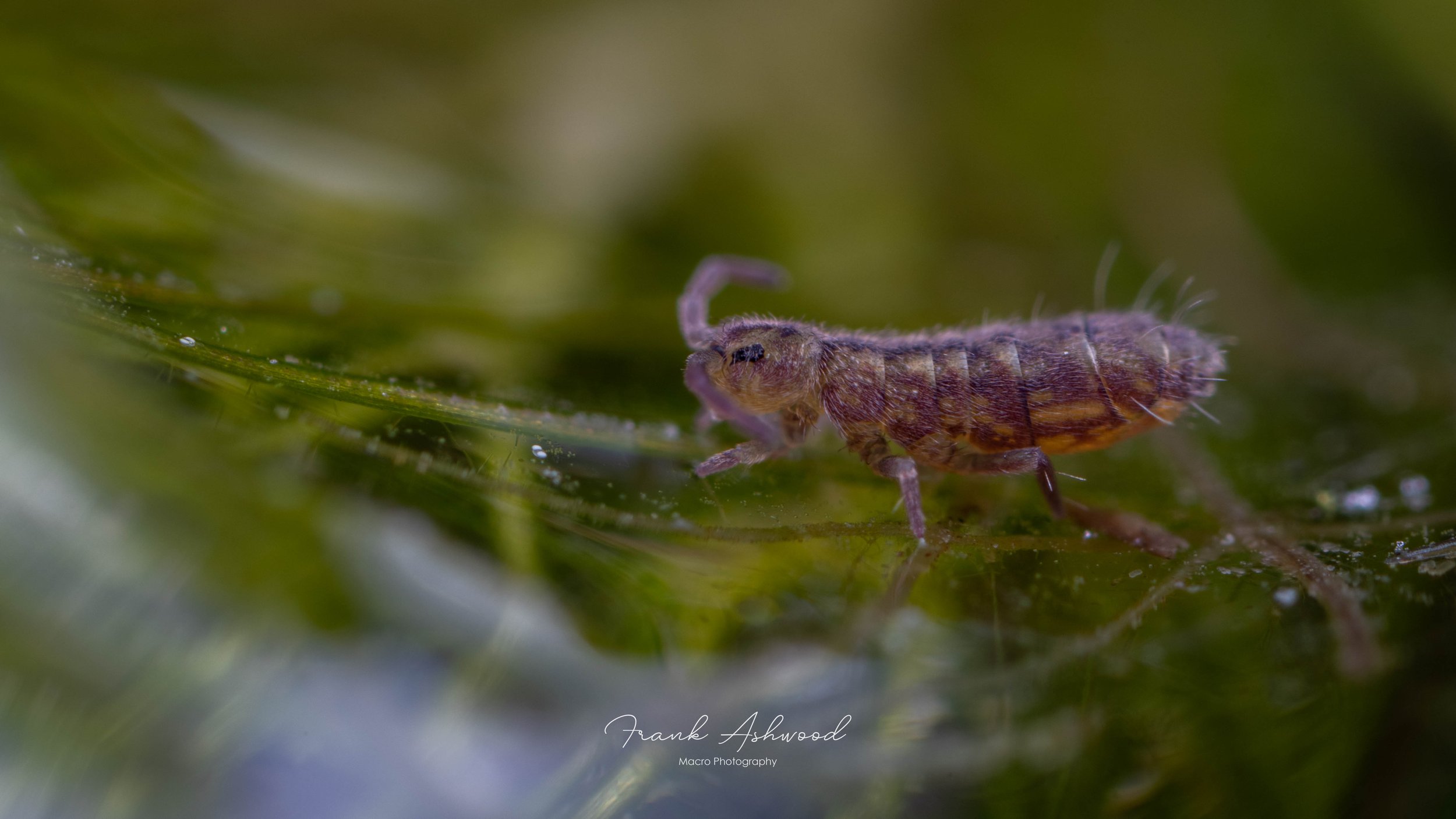
Isotomurus palustris

Isotomurus palustris (nymph)


Lepidocyrtus sp. with water droplets

Orchesella villosa

Isotomid springtail freshly moulted

Entomobrya nivalis

Lepidocyrtus sp.
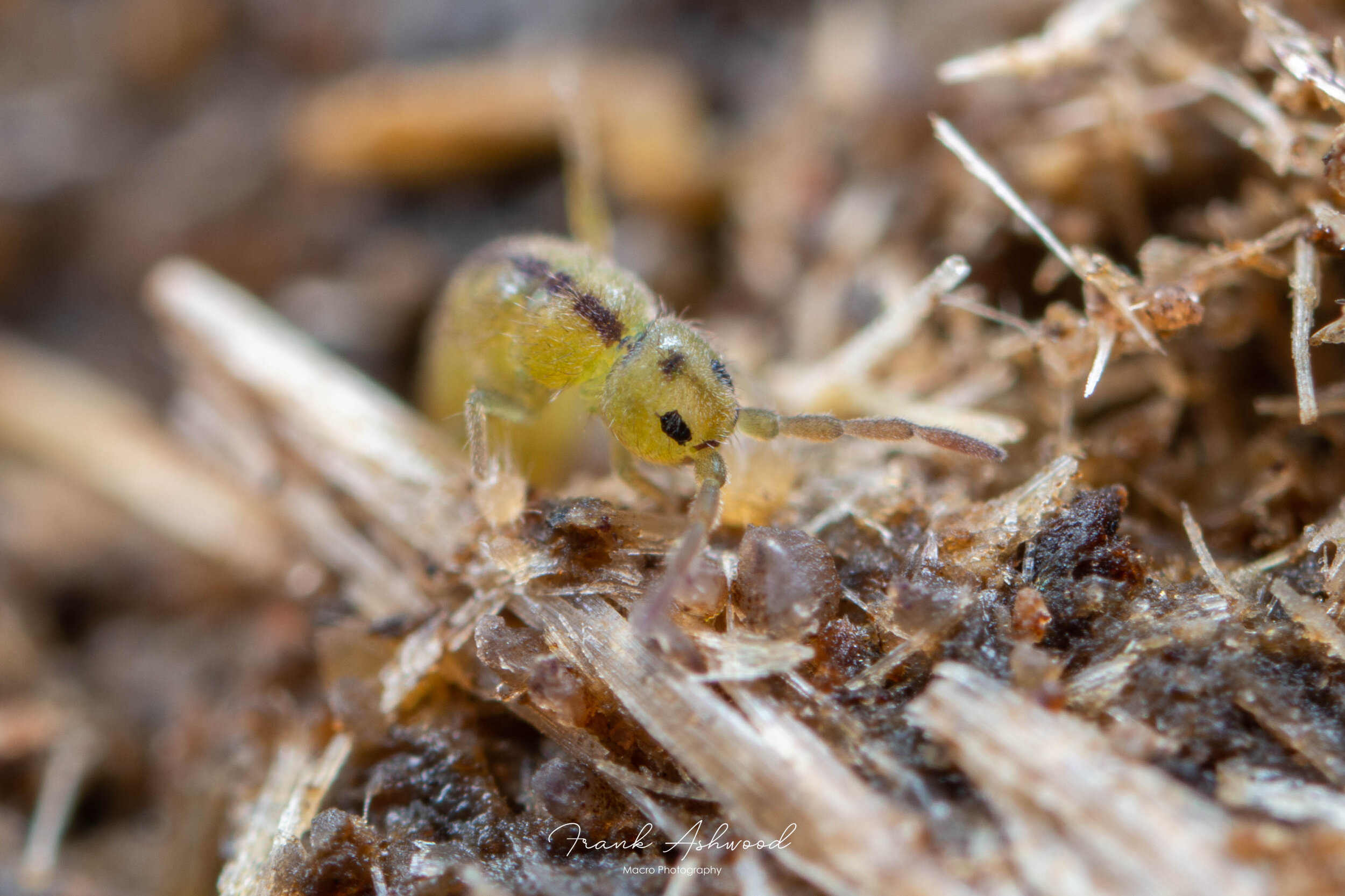
Isotomurus palustris
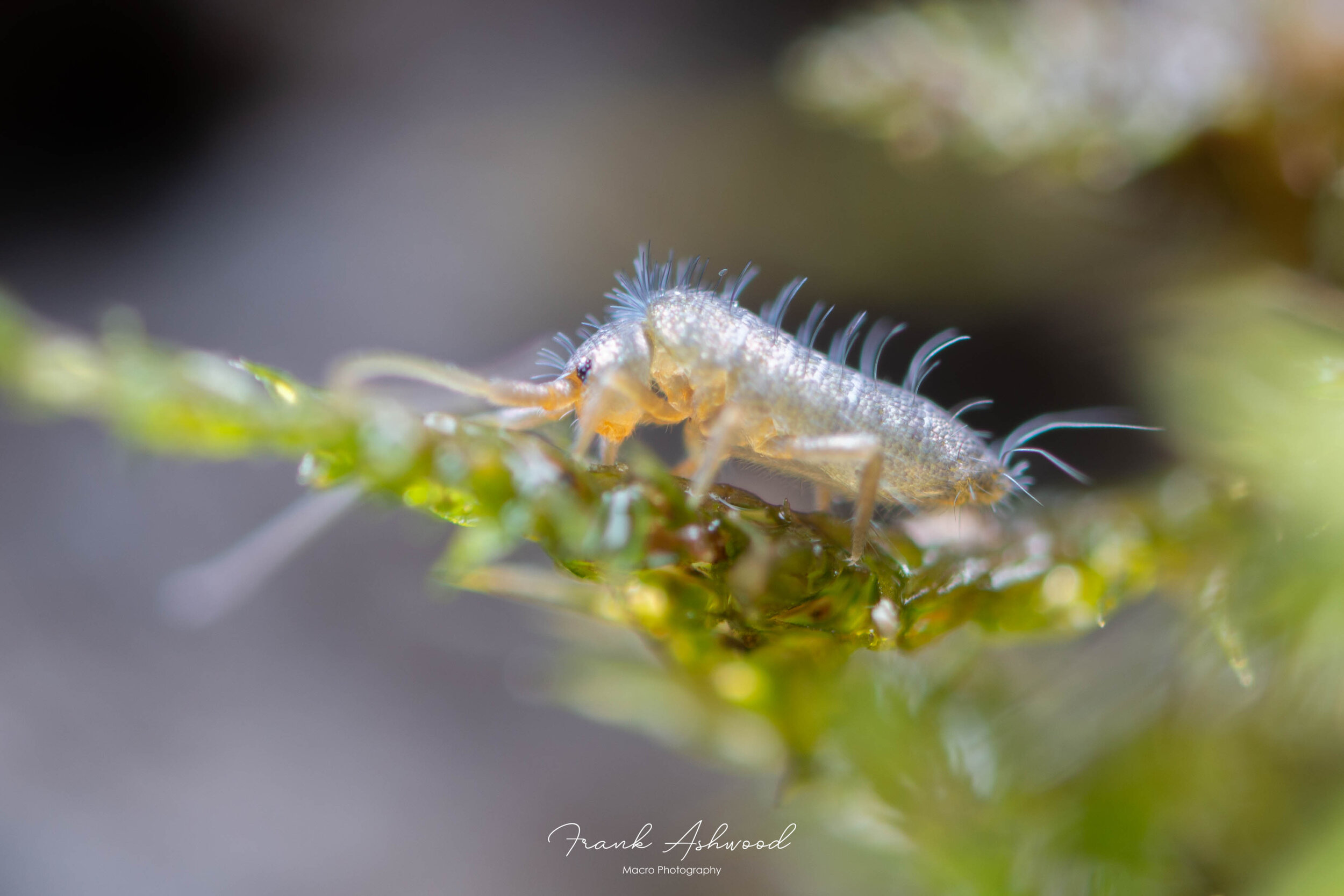
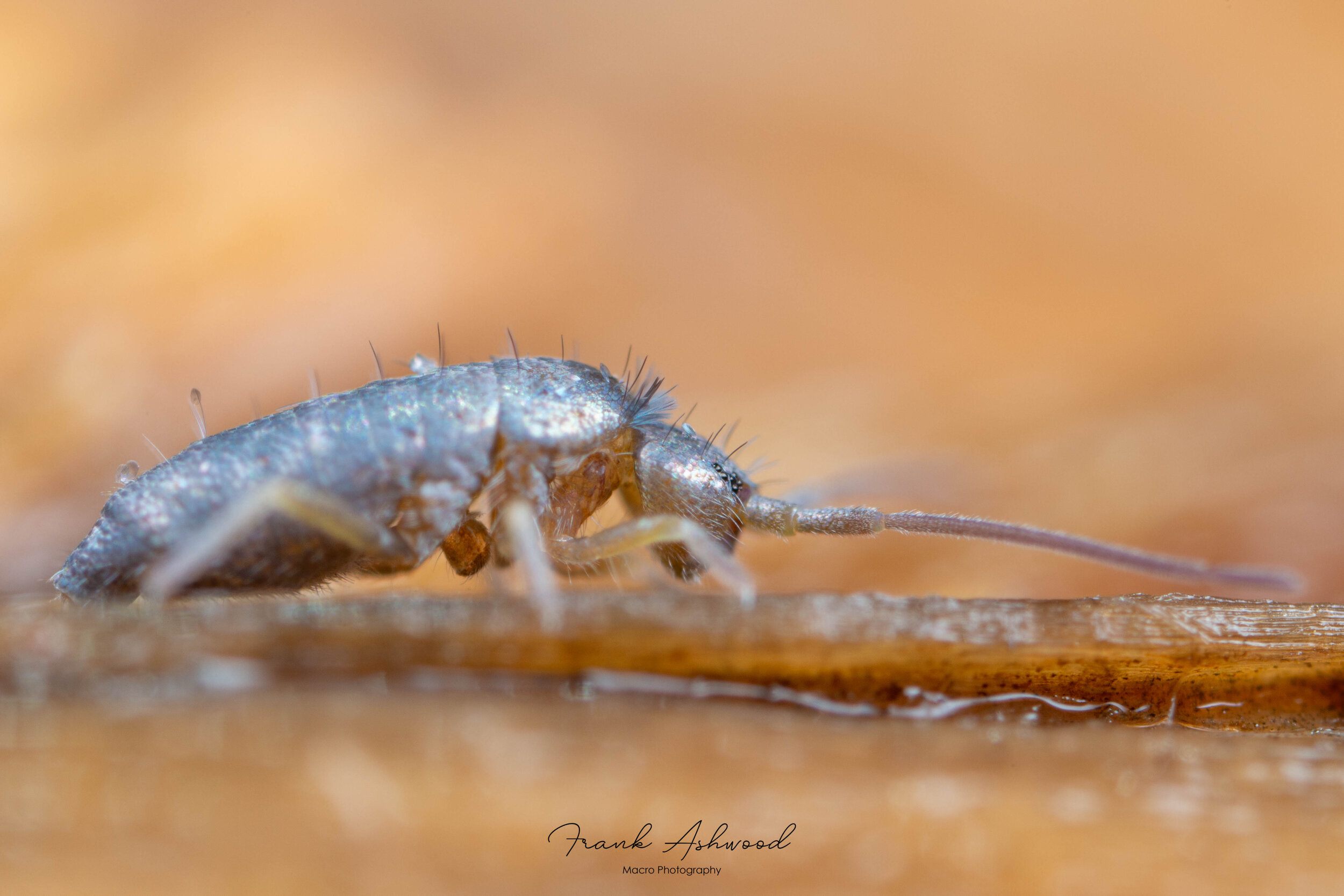
Tomocerus sp.

Tomocerus sp. preparing to moult (note yellow cuticle with missing scales)

Lepidocyrtus sp. with water droplets
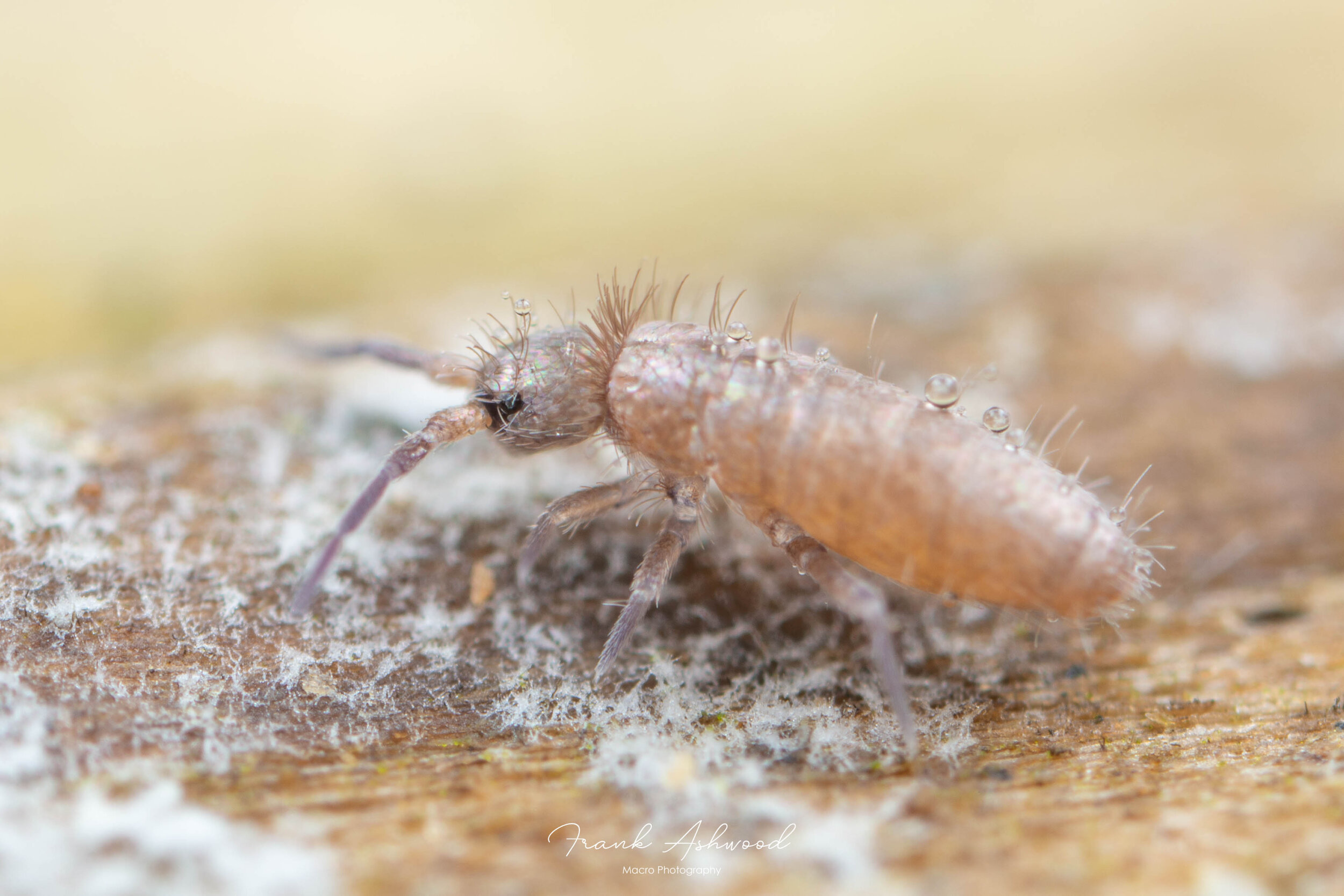

Tomocerus sp.

Orchesella villosa
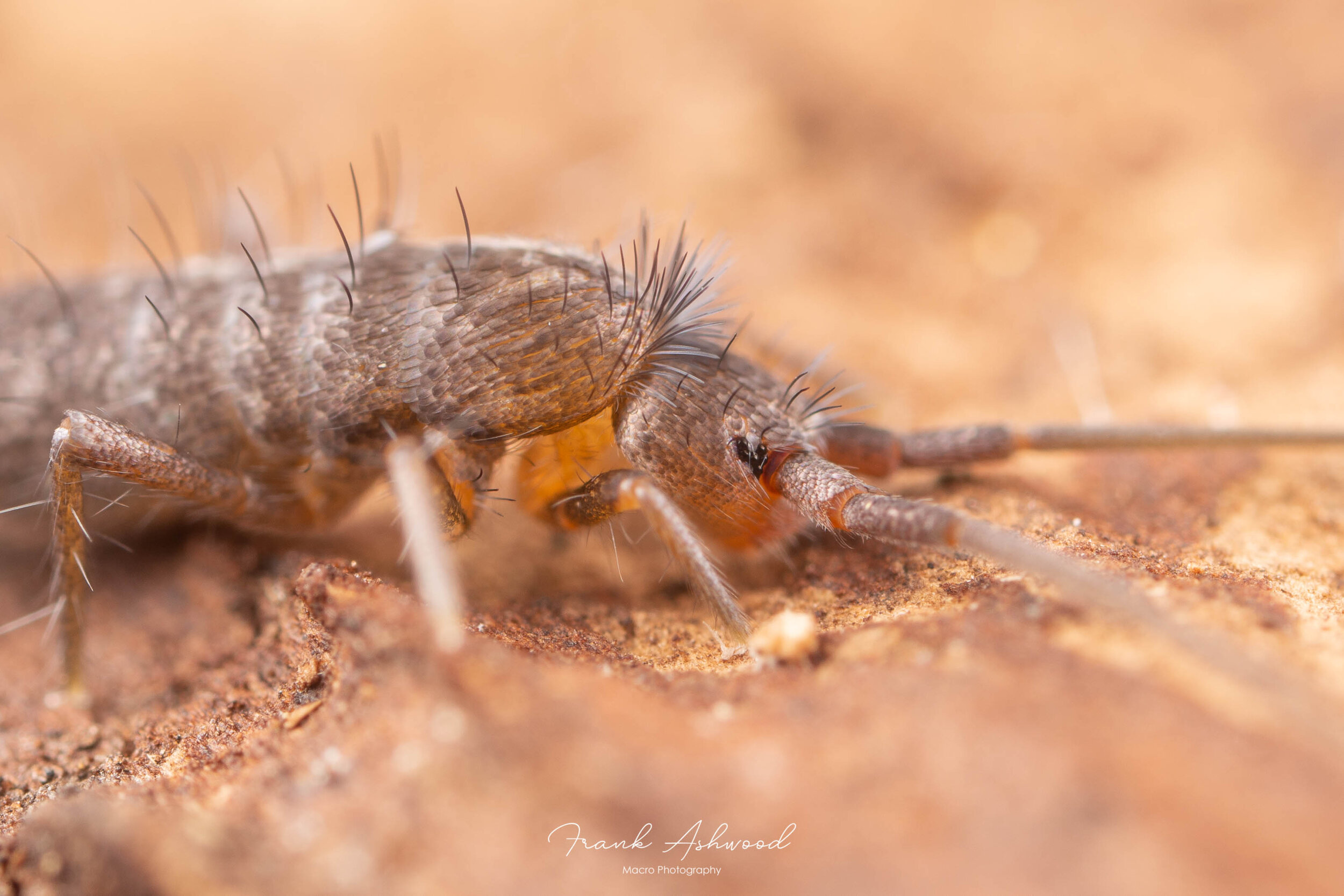
Tomocerus sp.
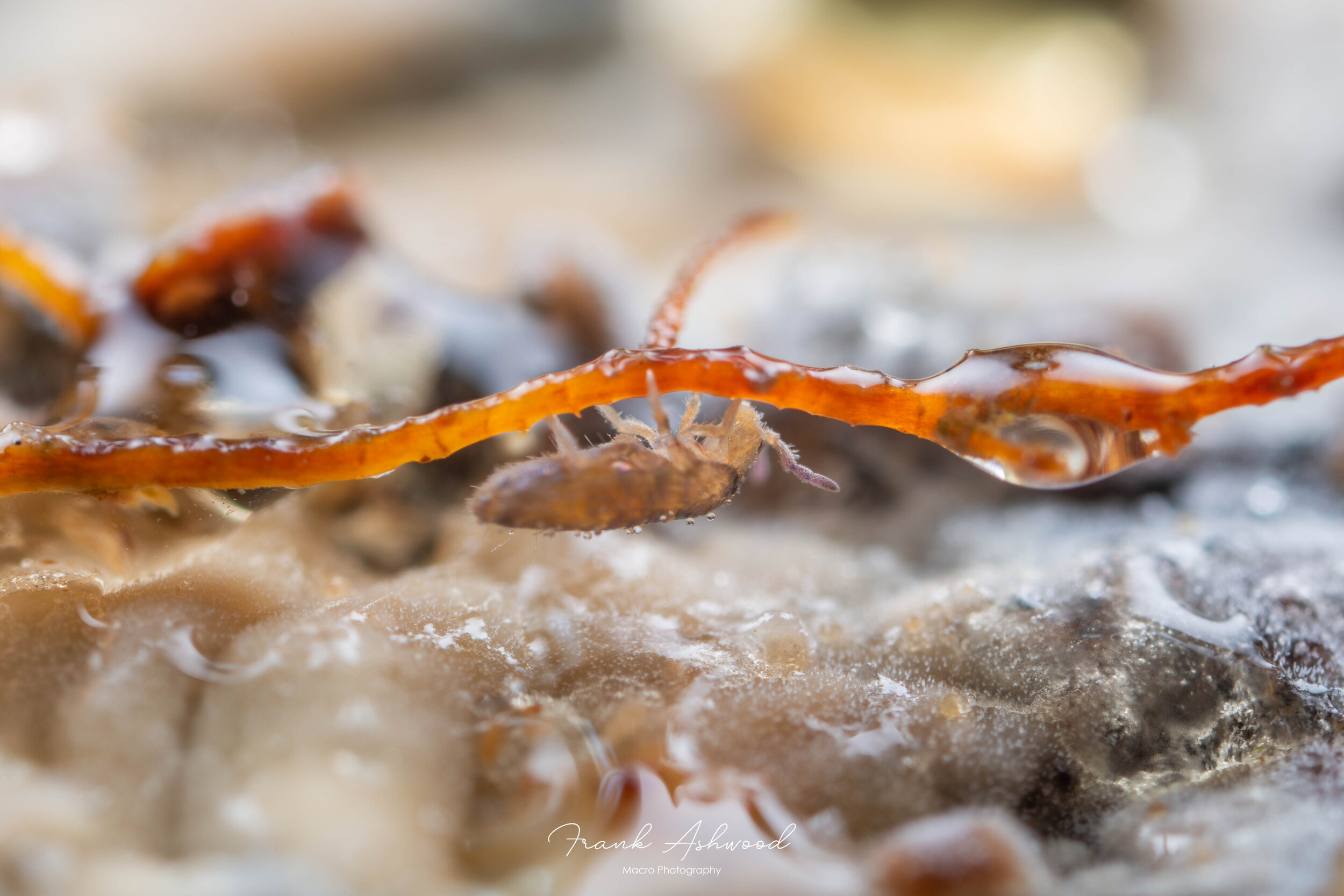
Lepidocyrtus sp.
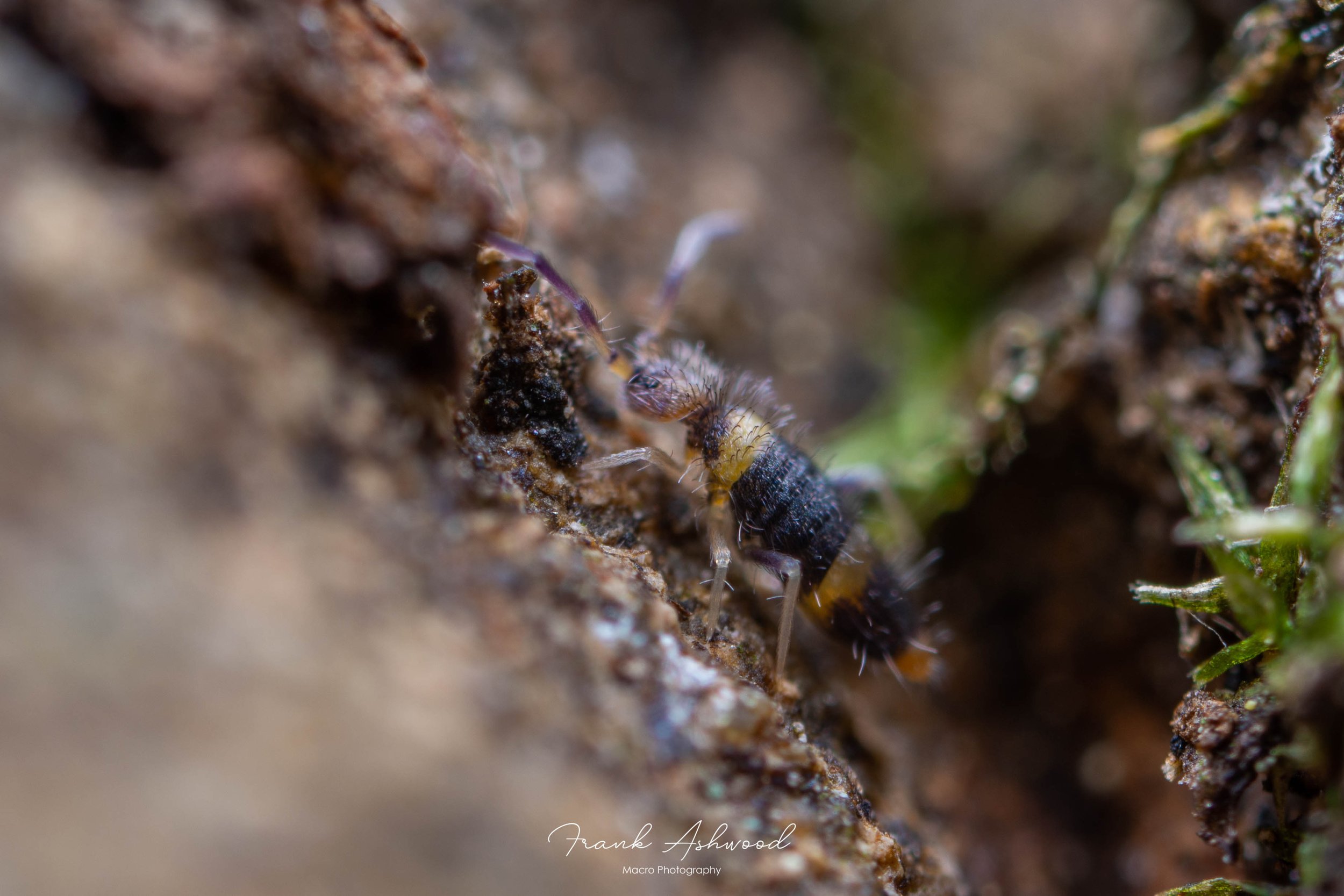
Entomobrya albocincta

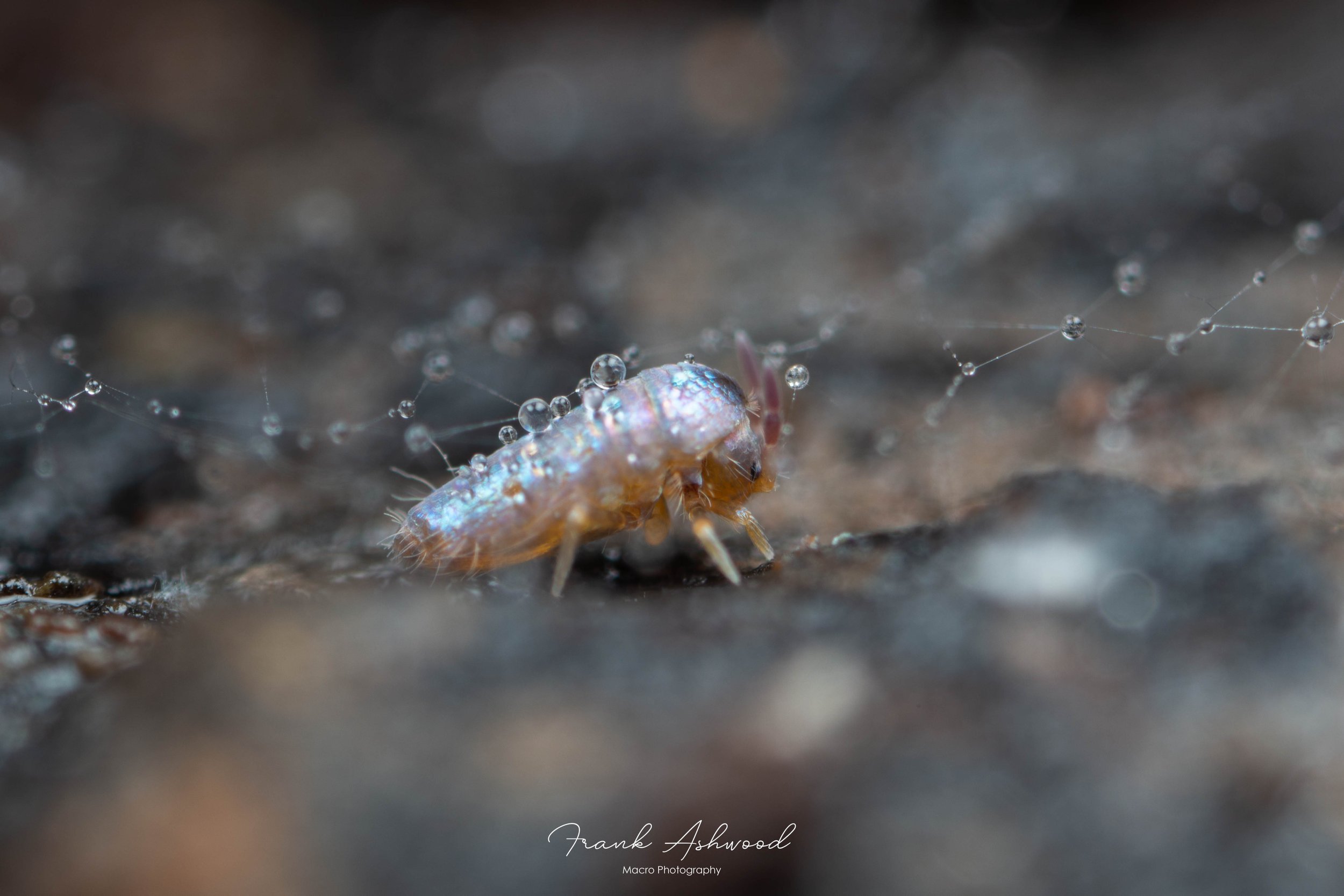
Lepidocyrtus sp.

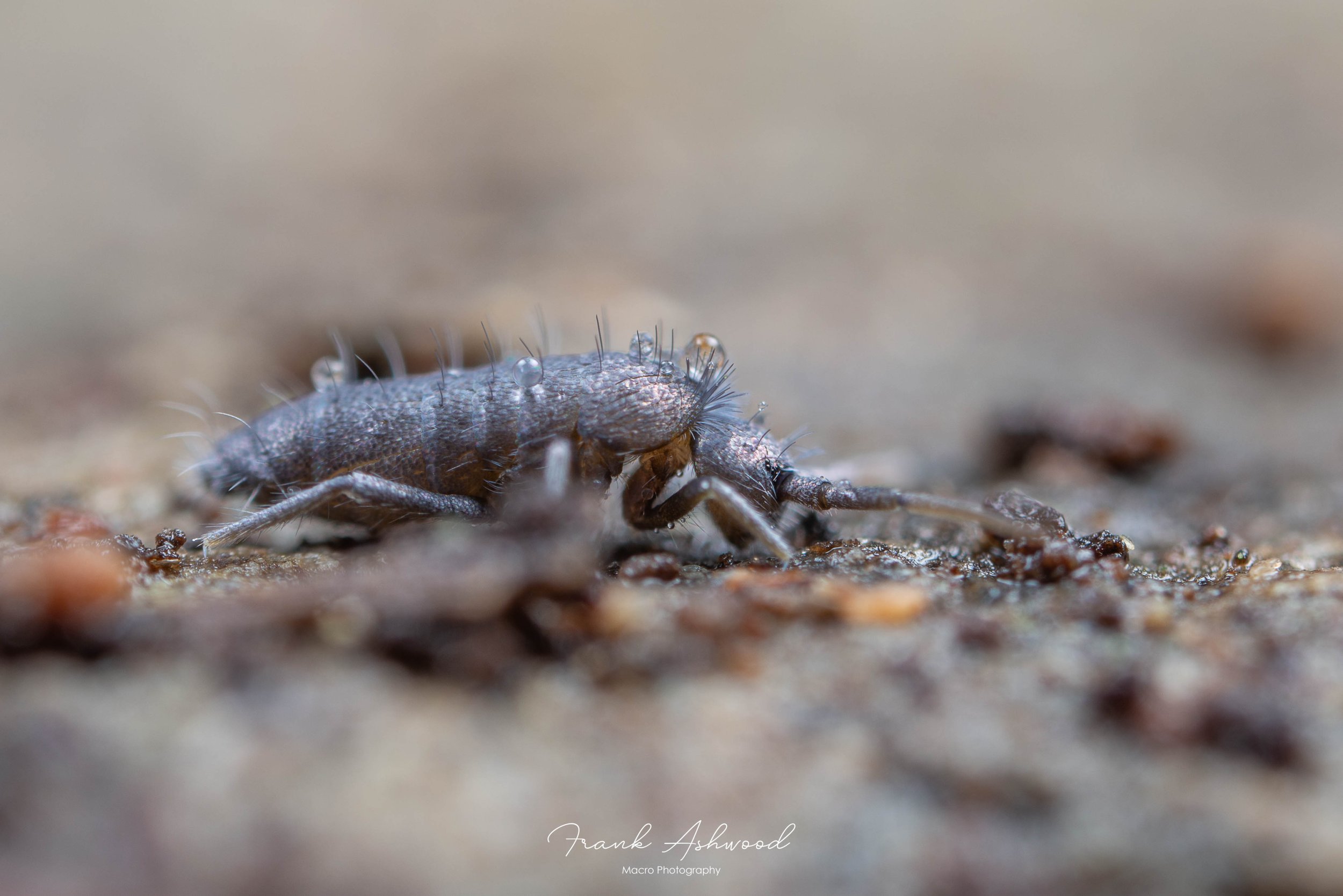
Tomocerus sp.
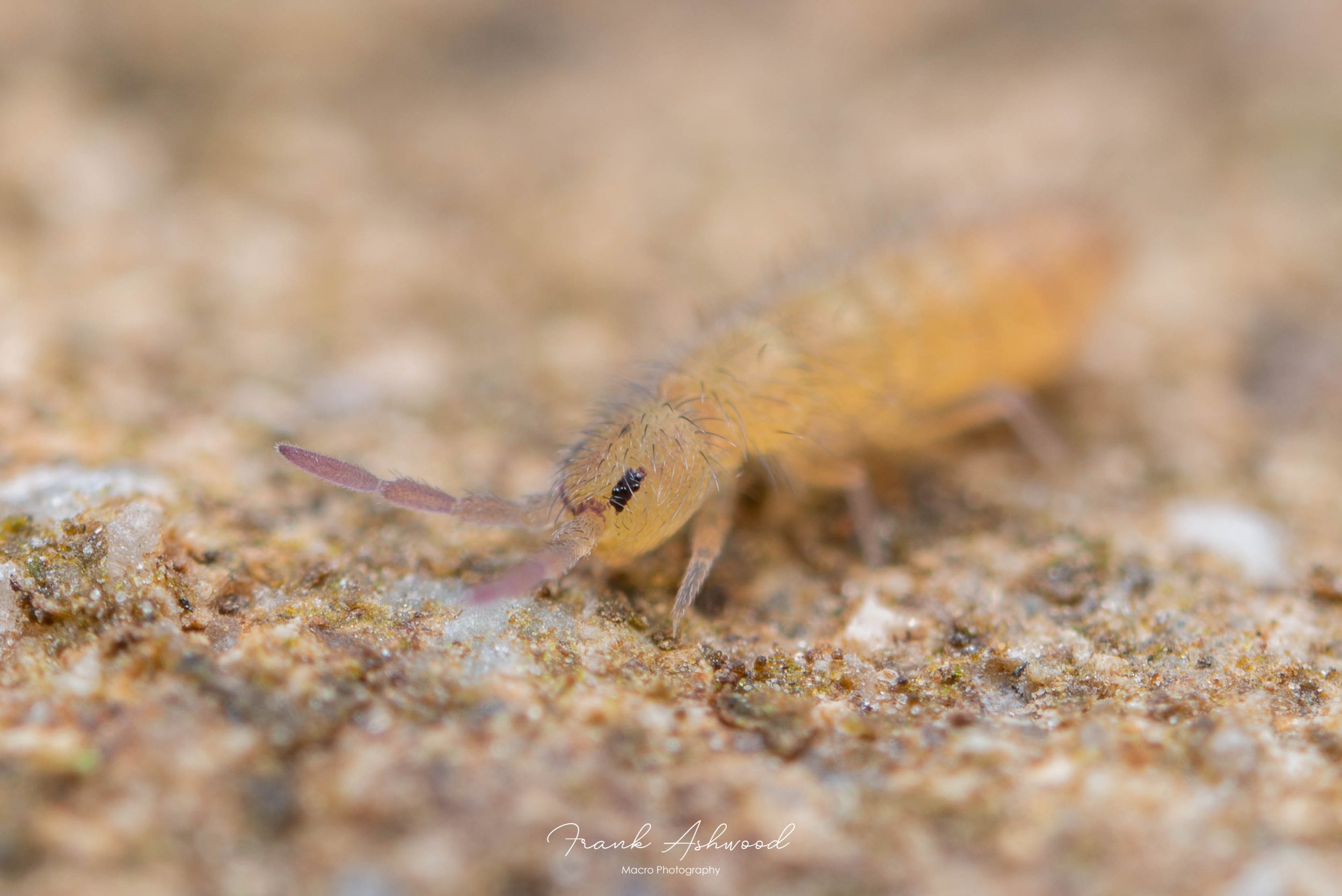

Entomobrya nivalis
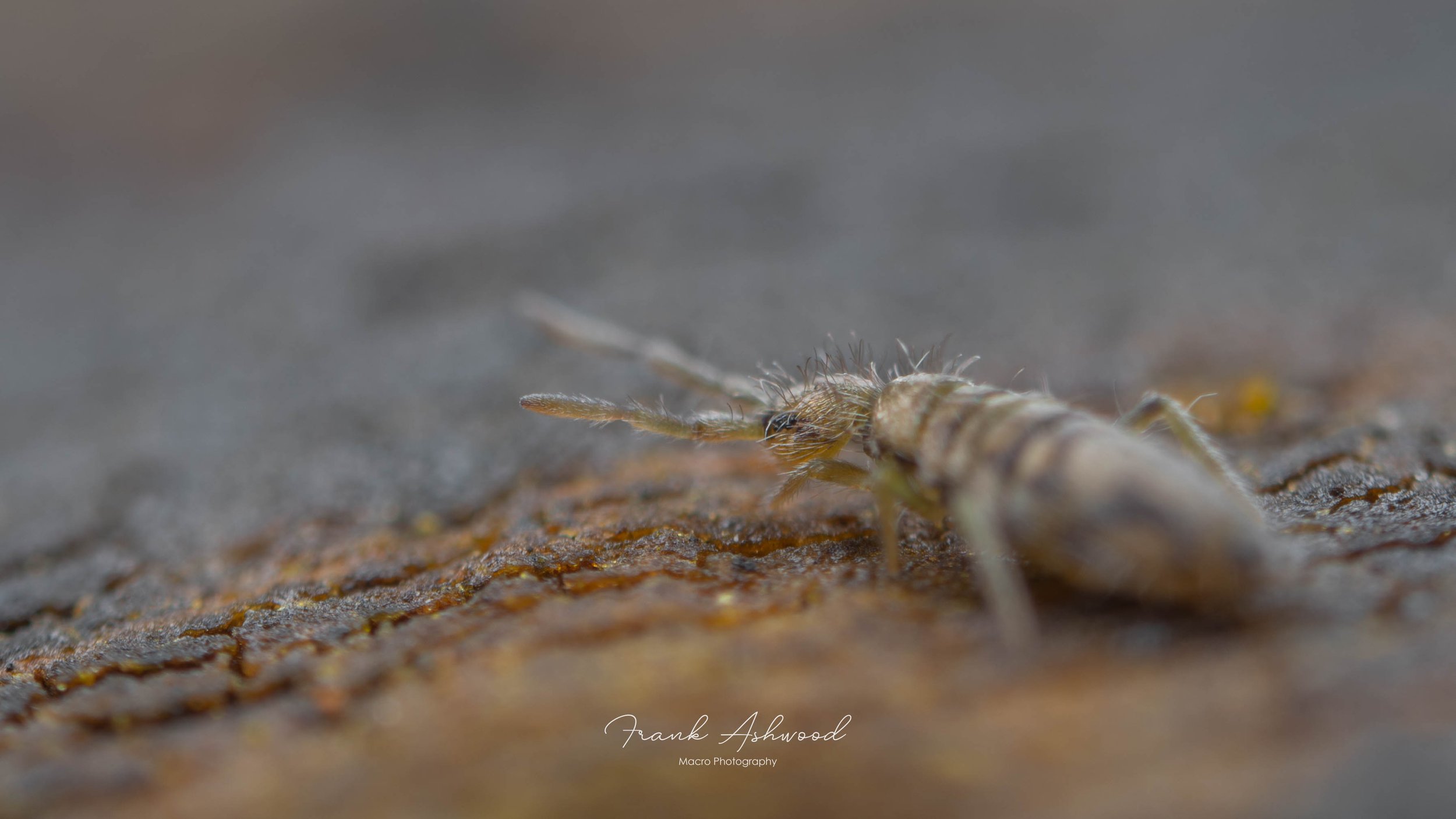
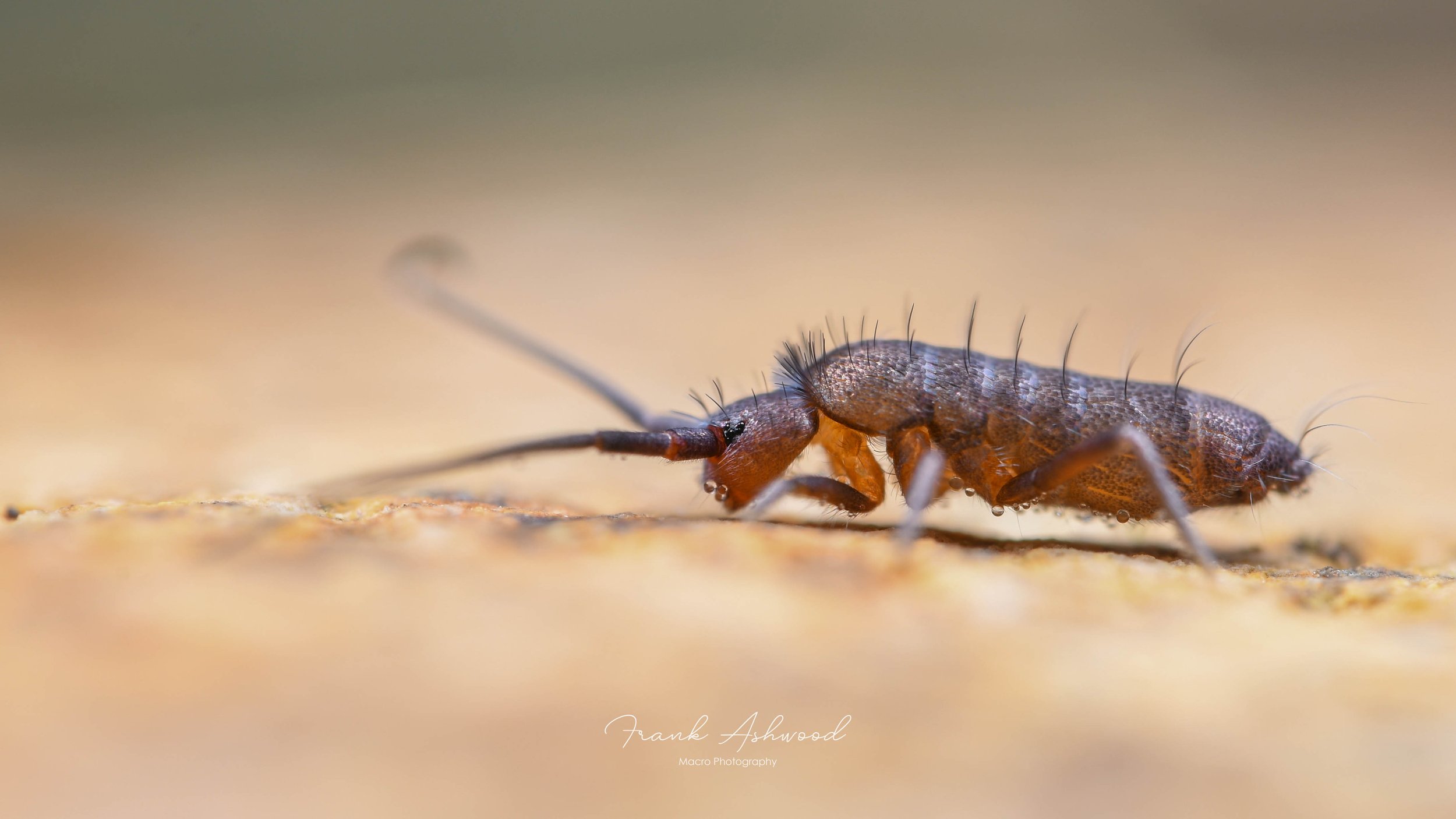
Tomocerus sp.